We are interested in whether molecules can do the jobs that isolated atoms do in quantum technologies, such as storing quantum information or sensing fields, while keeping the flexibility of chemistry.
Lanthanide complexes. Ytterbium(III) has optical transitions that are shielded from its surroundings. We have shown that molecular Yb(III) complexes can have ultranarrow optical absorption, including in solution, and we study what in the molecule and its environment broadens these lines.
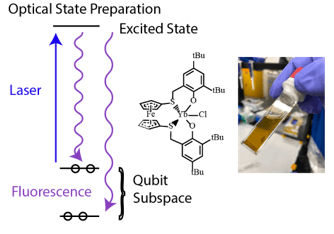
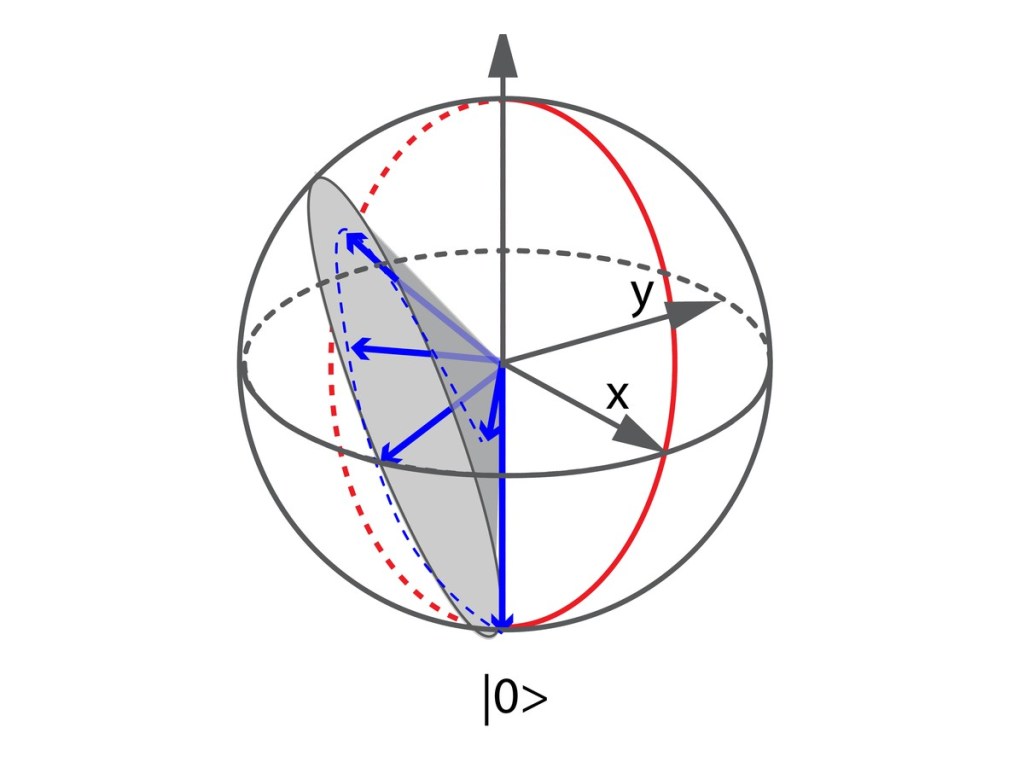
Optical cycling centers. With the Campbell, Hudson and Alexandrova groups, we attach small atom-like groups (metal–oxygen units such as CaO and SrO) to larger molecules so they can scatter many photons without losing them to other states, a requirement for laser cooling. We study how the rest of the molecule’s vibrations limit this.
Collective effects and entanglement. We are also interested in the design principles behind collective excitonic effects: polaritons, multi-excitons and superradiance in molecular aggregates, and the collective interaction of spins and optical transitions in lanthanide species. A focus is whether we can use measures of entanglement, or demonstrate entanglement, in complex chemical environments.
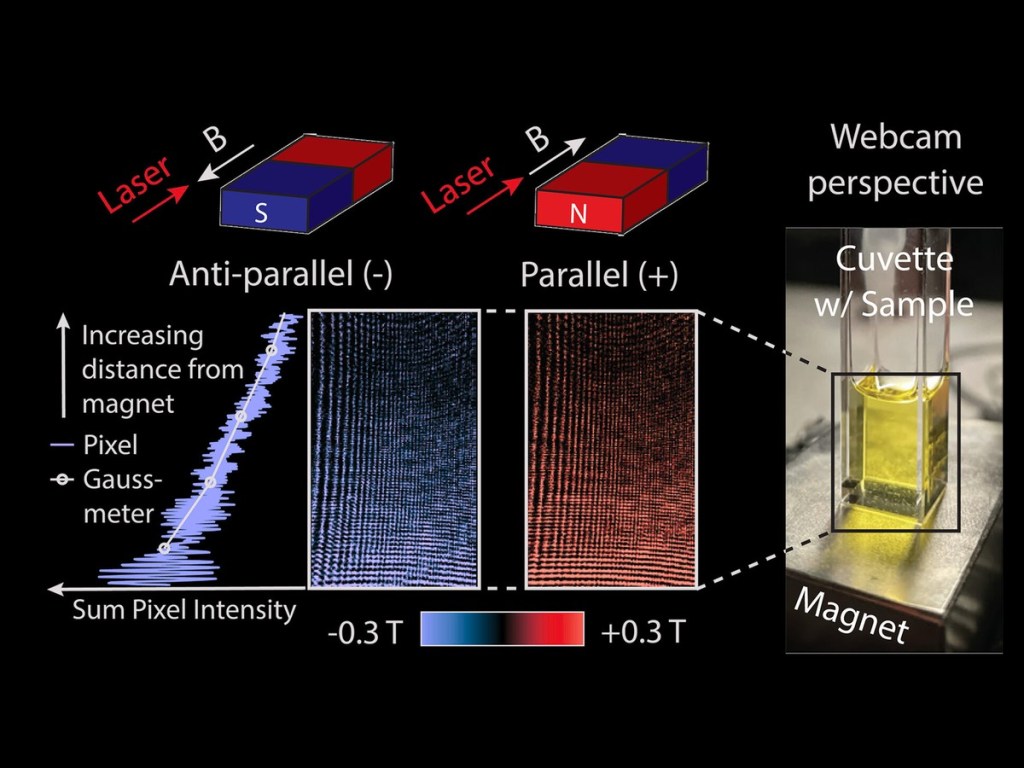
Collaborators: Anastassia Alexandrova, Wesley Campbell, Eric Hudson and Paula Diaconescu (UCLA); Michael Neidig (Oxford).

