

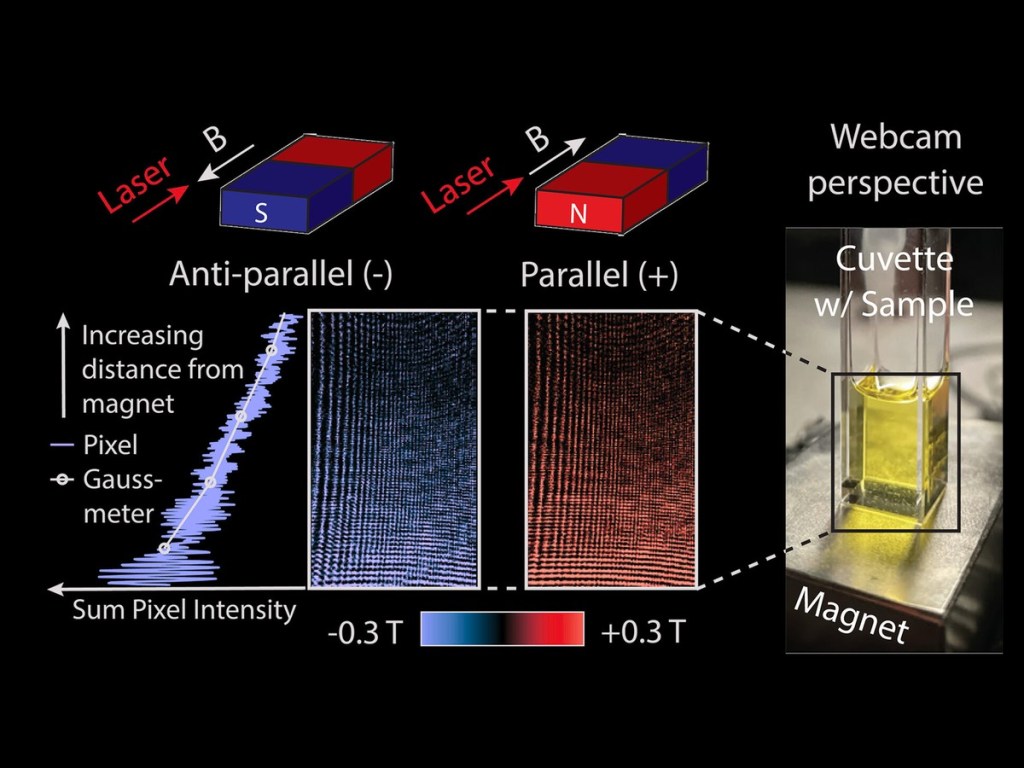
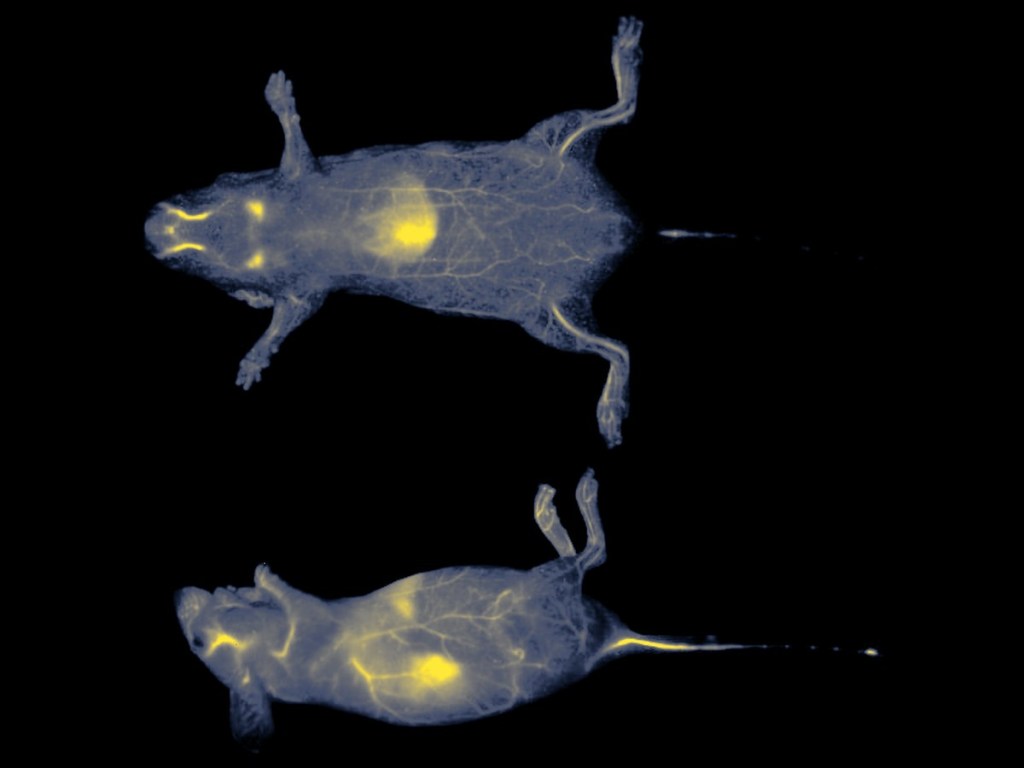

We study how molecules and materials absorb light, hold onto that energy and give it back, and how their surroundings decide what happens in between. The work spans five areas: molecular dyes and aggregates that absorb and emit light in unusual ways; semiconductor nanocrystals such as HgTe and nanoplatelets; lanthanide ions for quantum science; light in tissue and on skin, from shortwave-infrared imaging to sunscreens; and instruments that read light one photon at a time. Four questions run through it:
How do the surroundings decide where energy goes? When a molecule or nanocrystal absorbs light, the vibrations and imperfections around it decide whether that energy becomes light, heat or motion through the material. We ask which features of the surroundings matter, and whether changing them changes where the energy goes.
Projects: Molecular Excitons and SWIR Dyes · Semiconductor Nanocrystals · Quantum Science with Molecules and Ions
What does each emitter’s light reveal? Nominally identical emitters blink, glow at different colors and live for different times. Using single-emitter and photon-correlation spectroscopy, we look at them one at a time and follow how their individual photons arrive, to see what averages and brightness hide.
Projects: Semiconductor Nanocrystals · Photon-Resolved Methods
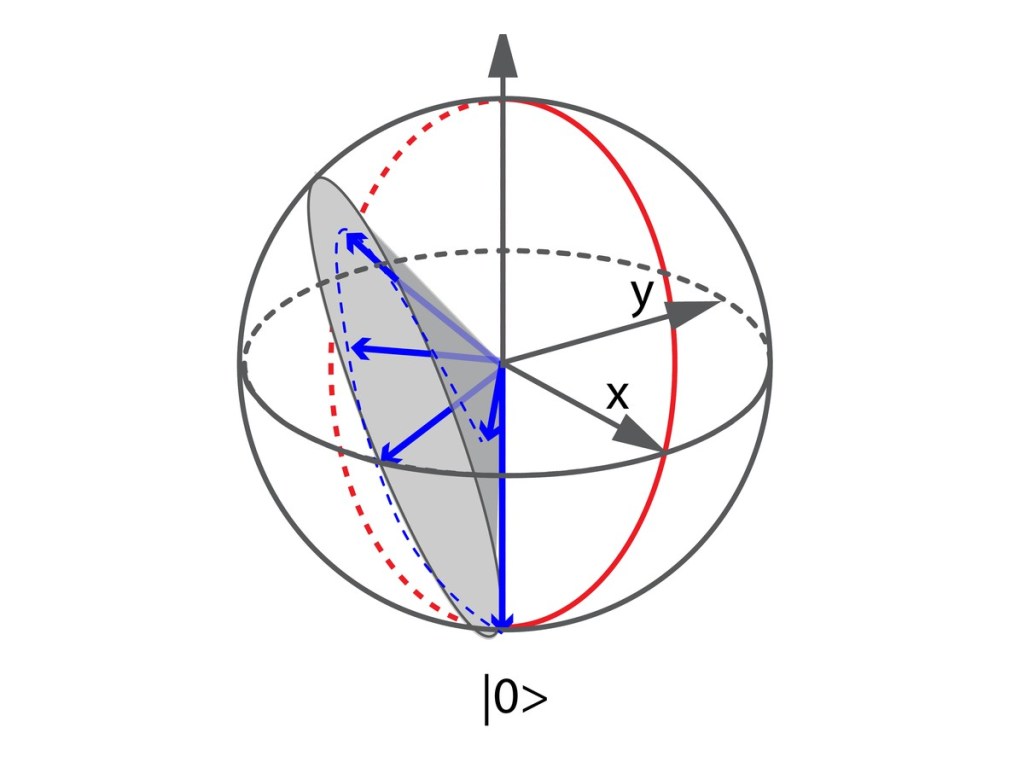
Can light write and read quantum information in chemistry? Atoms in a vacuum make clean quantum bits. Molecules and ions in solids and solutions are messier, but chemists can design them. We ask whether light can prepare and read out their quantum states despite the mess.
Projects: Quantum Science with Molecules and Ions
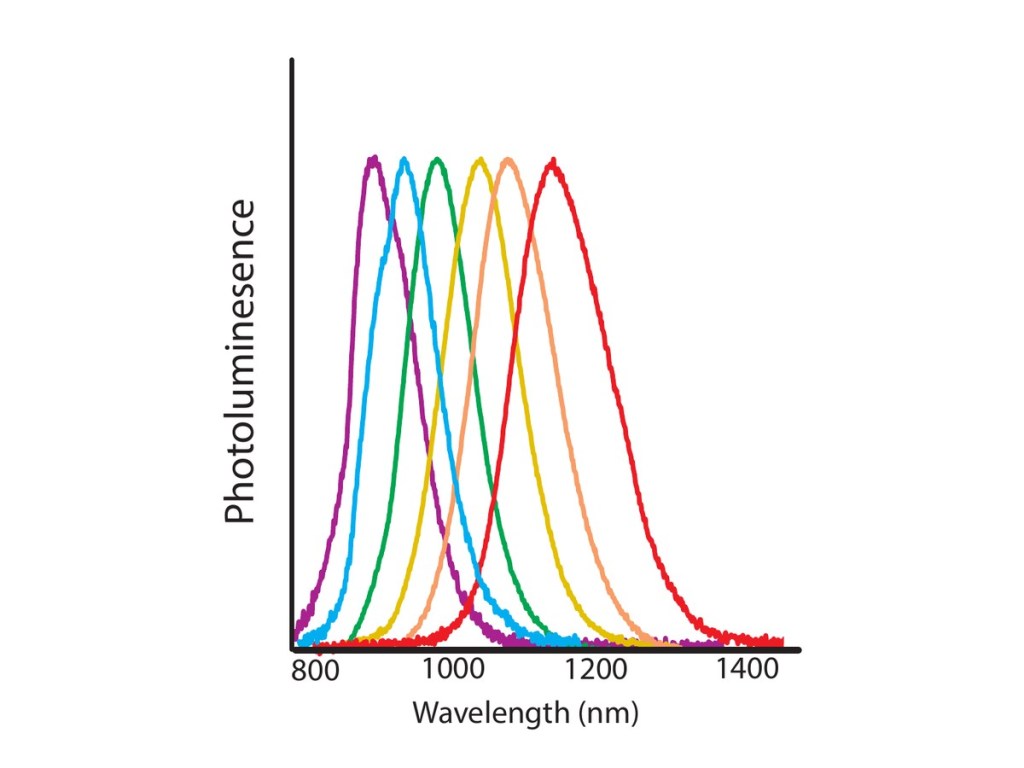
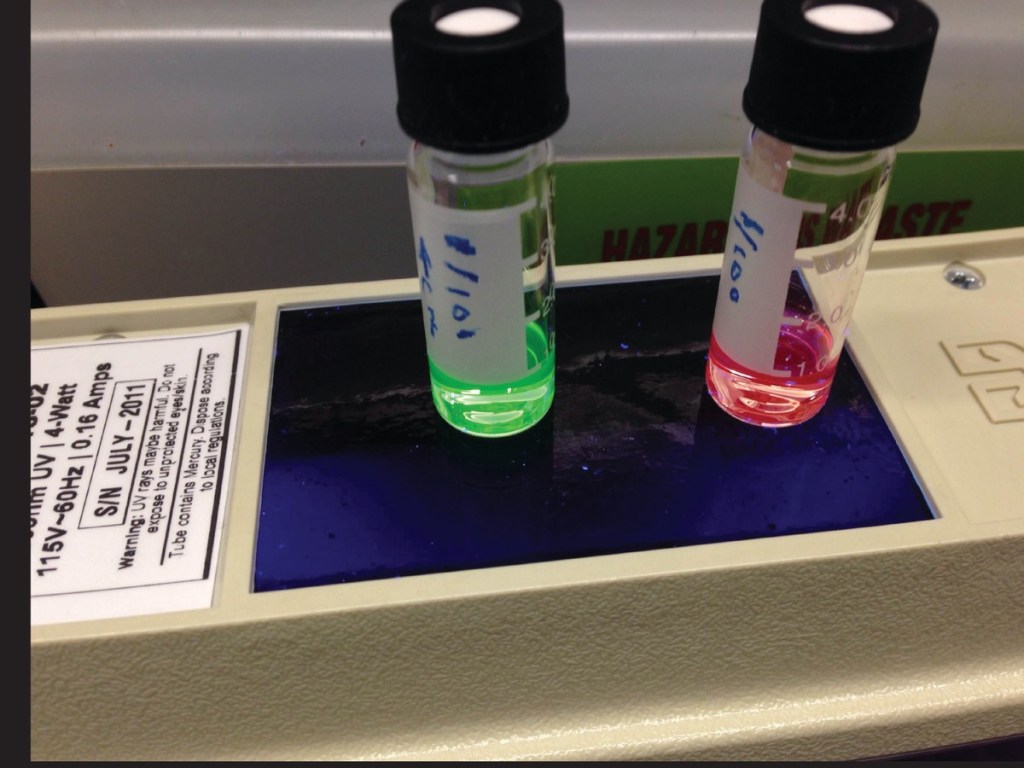
Can chemistry make light do new things? Some colors are hard to work with: good shortwave-infrared emitters are rare, and UV absorbers tend to fall apart. We build molecules and nanocrystals that absorb and emit light in unusual ways, and ask what limits them.
Projects: Molecular Excitons and SWIR Dyes · Light in Tissue and on Skin
Projects
- Molecular Excitons and SWIR Dyes: SWIR dyes, molecular aggregates
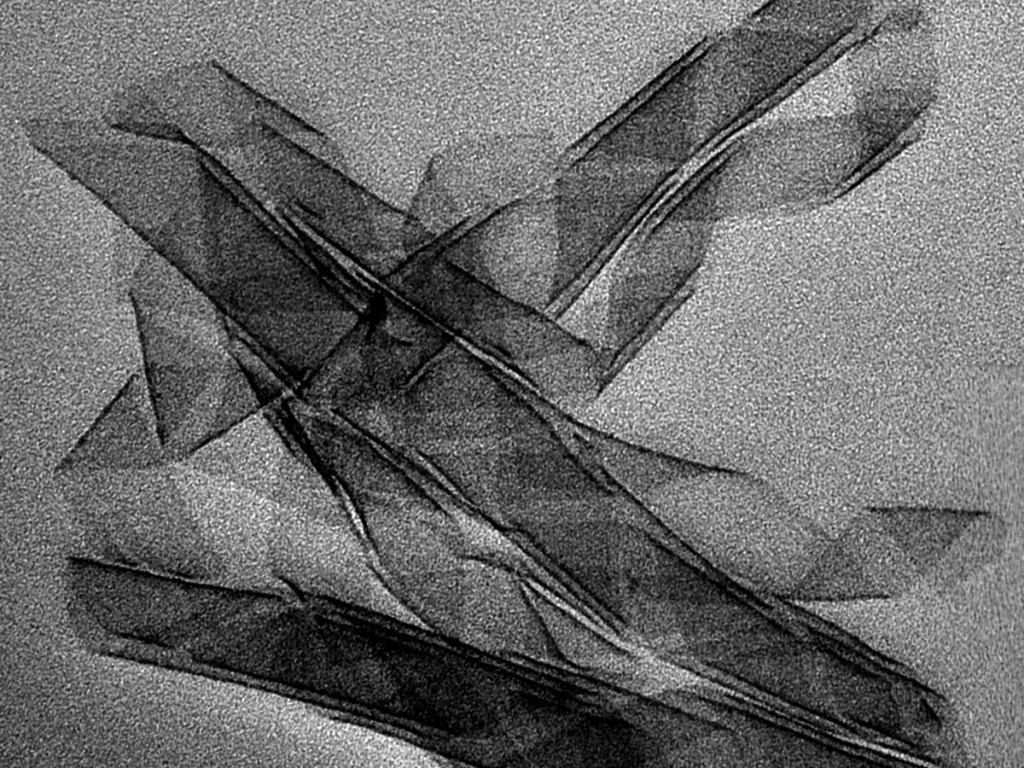
- Semiconductor Nanocrystals: HgTe quantum dots, nanoplatelets
- Quantum Science with Molecules and Ions: lanthanide complexes, optical cycling centers, collective effects and entanglement
- Light in Tissue and on Skin: SWIR imaging, sunscreens
- Photon-Resolved Methods: single-emitter, photon-correlation and SWIR microscopy

